



Product Description
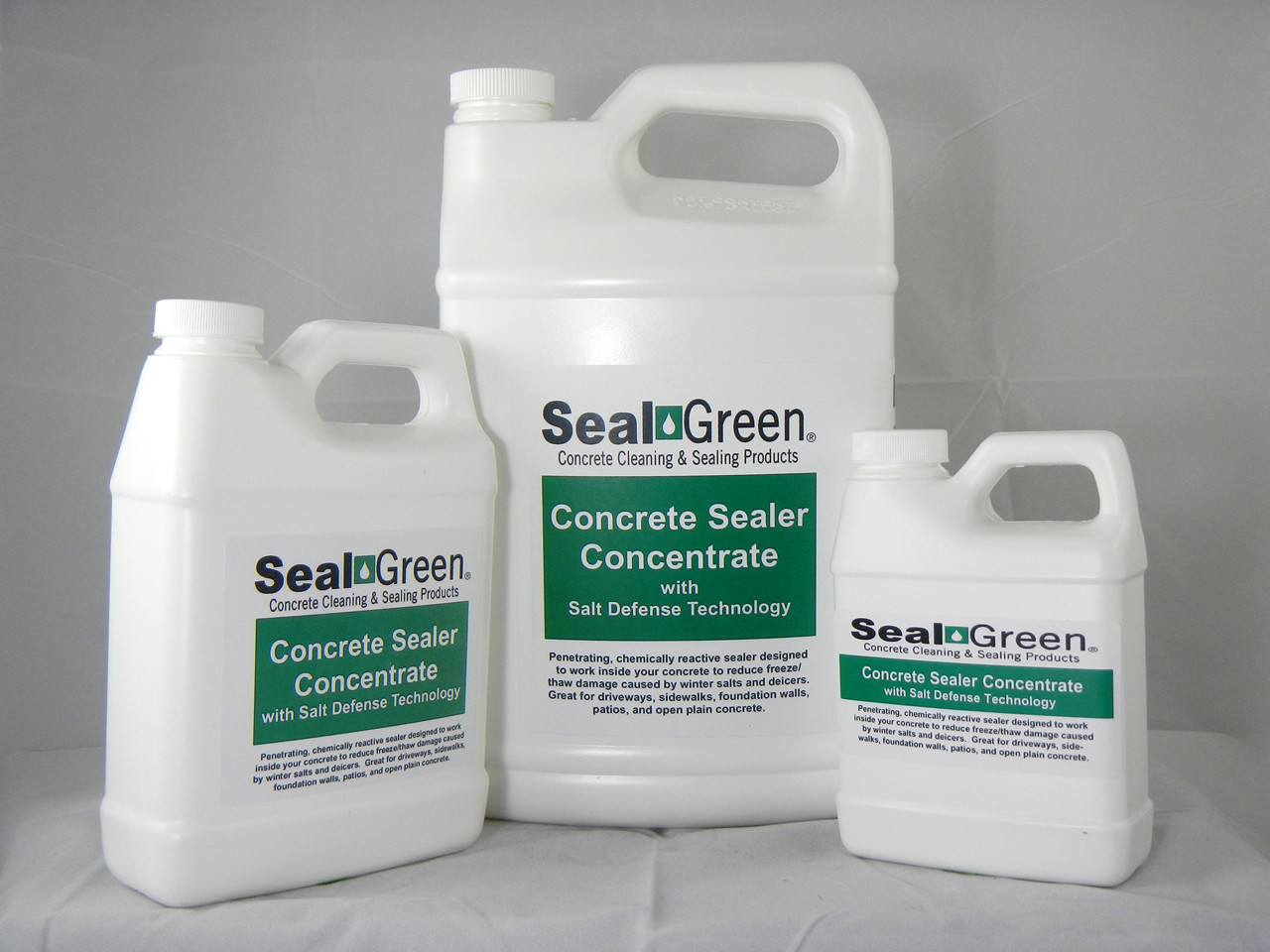
SealGreen Driveway Concrete Sealer Concentrate with Salt Defense Technology
- Concentrate Sealer Instructions
- Product Specification
- Product Specifications - Espanol
- Material Safety Data
- Architectural Specification
- Application Instructions
- Application Instructions - Espanol
- Product Certificate
- How to measure the project
- Case History
- Questions? 1-800-997-3873
SealGreen Concrete Sealer with Salt Defense Technology penetrates into the surface of the concrete, chemically reacting to create a gel that fills the open pores of the concrete which hardens the surface of the concrete, and protects the concrete from salt damage. To see for yourself, try a Free Sample. ($3.00 charge to cover shipping cost) Request at info@sealgreen.com
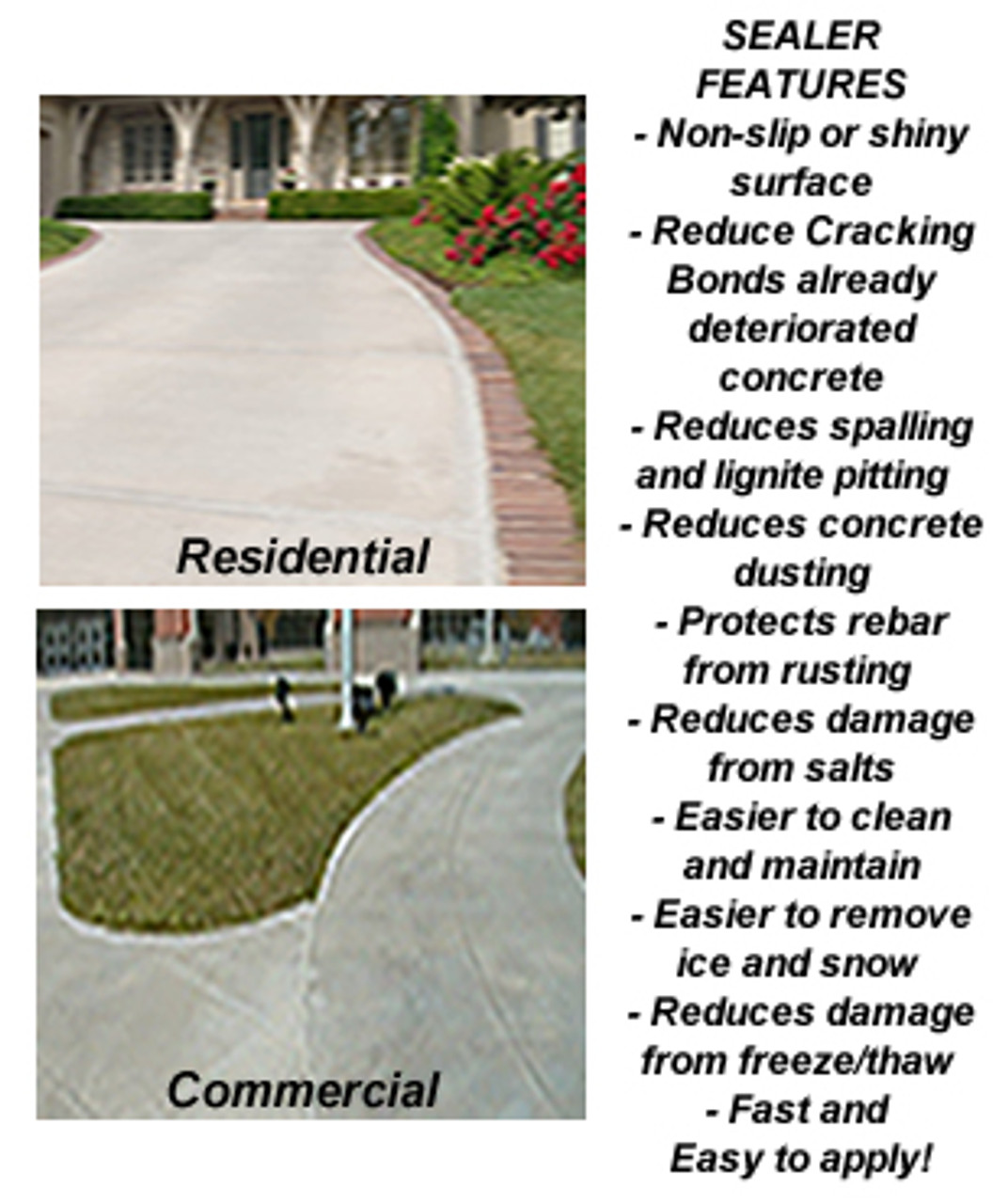
- Protects from salt damage
- Non-slip or shiny surface
- Protects new and old concrete
- Reduces cracking
- Bonds already deteriorated concrete
- Reduces peeling and lignite pitting (small holes)
- Reduces concrete dusting
- Protects rebar from rusting
- Reduces mold and mildew stains
- Easier to clean and maintain
- Easier to remove ice and snow
- Reduces damage from freeze/thaw
- Ships in CONCENTRATE form to minimize shipping costs
- Pump Sprayer Information
SealGreen Concrete Sealer is the preferred siliconate sealer used by architects and building professionals for sealing driveways and other commercial or industrial concrete surfaces.
Used in:concrete driveways, sidewalks, patios, entryways, ramps, parking lots, shopping center sidewalks, animal cages, zoos, farm stalls, horse barns, foundation walls, new green concrete as a cure and seal, basement walls, window wells, retention walls, pool decks, decorative concrete, concrete salt containers, concrete drains, concrete sewers and manholes, concrete vaults, use as a freeze/thaw mitigator, and many other concrete applications inside and outside.
SealGreen Concrete Sealer is an odorless, water-based penetrating, chemically-reactive, siliconate, concrete sealer developed to provide long-lasting protection without changing the appearance of the surface. It does not turn yellow or create a shine.
SealGreen Concrete Sealer with our new Salt Defense Technology defends your concrete against salt damage and water absorption thus significantly reducing freeze/thaw damage. Stain penetration is also reduced making it easier to keep your concrete clean.
The concrete will retain its natural look and minimize slippage as the sealer is inside the concrete instead of being a topical sealer that lies on the surface.
SealGreen Concrete Sealer is a siliconate sealer (see Concrete Sealer Types) and has larger molecules than any other type of penetrating concrete sealers thereby offering more surface protection.
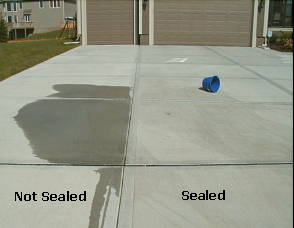
SealGreen will bead water after application and continue to resist water in the form of water sheeting for many years, even after the beading effect has gone away.
It has a higher spread ratio (200 sq feet per gallon as opposed to 75 square feet per gallon for silicate sealers) because of the larger molecules. SealGreen has been formulated with the highest percentage of active ingredients available in the market today.
What does all this mean to you as the property or homeowner? It means easy installation and minimum maintenance along with exceptional topical closure and deep permanent sealing properties. SealGreen Concrete Sealer is a superior concrete sealer; offering excellent endurance, fusion, superior strength, and a great life span.
Product Videos
Videos Hide Videos Show Videos
-

How To Seal Concrete Cracks www.SealGreen.com 800-997-3873
http://sealgreen.com/sealgreen-concrete-sealer-concentrate.asp...
-
How-To Seal a Concrete Driveway | SealGreen.com | 800-997-3873
Learn how to seal a concrete driveway with this short instruct...
-
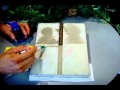
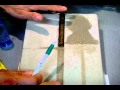
How Does a Concrete Sealer Work (Before and After) | SealGreen.com | 800-997-3873
How does a concrete sealer work? SealGreen Concrete Sealer hel...
-
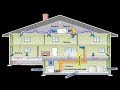
How to Seal a Basement Concrete floor and Concrete Walls
In this video we show how to seal your basement concrete floor...
-
Concrete Penetrating Sealer FAQs Vol 1
This video covers a variety of questions that we have received...
-
Como Sellar un Camino de Entrada de Concreto
Este video de muestra como sellar un camino de concreto. Expli...
-
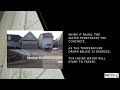
Frozen water inside the concrete will damage your concrete driveway
This video shows how frozen water inside the concrete will dam...



Custom Field
Product Reviews

22 Reviews Hide Reviews Show Reviews
-
Concrete sealer
Easy to install. Have been using for years and this year had it installed on my Nextdoor neighbors driveway.
-
Concrete Sealer & Cleaner
This turned out to be a great investment. The application process is a breeze, and having multi-year driveway, patio and garage protection gives me peace of mind.
-
SealGreen concrete sealer concentrate
I have been using this product for 10 years and it has effectively prevented further deterioration of my concrete parking lot.
-
Concrete Sealer Concentrate
I watched the video a few times and was confident that even I could seal our concrete driveway and back porch. It all worked our very well. I bought 2 quarts for 900 square feet and had no problem getting it done with some sealer left. I highly recommend this product.
-
Concrete Seal’s Amazing results
I applied the seal on my driveway and I can see the difference in my driveway and my neighbors driveway immediately after a rain or snow. The beading of water is a sure sign the seal is working and it should extend the life of the driveway. I would like to see how the seal holds up after couple years.
-
Seal new concrete driveway on 10/14/2001
Also, Mike, we received an email a while back regarding our opinion of the work you have done for us. I never got around to responding, but just so you know, we think your work is excellent. If you compare our driveway and sidewalk with others that we know were not resealed annually, the difference is incredible. Our driveway and sidewalk looks like new and others show tremendous wear and tear. Thank you. Mary Lou Dupes 3/1/2018
-
Approved By Feefo.com
This is a top quality product. I am very happy with the protection it has provided to my driveway. The ordering online was easy to accomplish, and it arrived within a reasonable amount of time. Concrete Sealer Concentrate with Salt Defense Technology Although this product costs more than many others, it is worth the difference. It provides superior coverage and protection for the investment of your driveway Date of purchase: 11/22/2017
-
Approved By Feefo.com
Great Product! Great Service!
-
Approved By Feefo.com
01:00 - This is a top quality product. I am very happy with the protection it has provided to my driveway. The ordering online was easy to accomplish, and it arrived within a reasonable amount of time.
-
Approved By Feefo.com
easy to apply and seems to be working. I need to wait until it snows to see how I feel about it.
-
Approved By Feefo.com
great product
-
Approved By Feefo.com
5 stars. Effectiveness will show with the passage of time.